El Salvador & Bitcoin: revolutionary lessons.

In 2021, El Salvador became the first country in the world to adopt Bitcoin as an official national currency. A visionary step or a risky experiment? Learn how this bold decision is affecting the population and the economy, and what the world can learn from it.
It is not common for a small, economically insignificant country to dominate global headlines overnight. In September 2021, the small Central American country of El Salvador surprised the world by introducing Bitcoin as its official currency. This groundbreaking decision made El Salvador a pioneer in the adoption of cryptocurrencies and brought terms like Bitcoin and blockchain technology into the spotlight. El Salvador's announcement to recognize Bitcoin as legal tender was a revolutionary move that caught the attention of traditional financial markets and sparked a global discussion about the future of money. With this step, El Salvador emphasized its independence from conventional currency systems and set a precedent for the global acceptance of cryptocurrencies. It is expected that other countries could follow suit, and the world is watching closely to see how this historic move will impact the global economy and the future of money.
What reasons led the government of El Salvador to take such a bold step? How has the "experiment" developed so far, and what lessons can other countries learn from it?
El Salvador is a developing country with a population of around 6.5 million people. Approximately 70% of the residents have no access to traditional financial services, leading to financial exclusion and economic instability. The population is heavily reliant on expensive remittances from abroad, as many Salvadorans work overseas and send money back home. This process is often hindered by high fees and long transfer times. The country’s economy suffers from dependence on the US dollar, which was the sole national currency until the introduction of Bitcoin. This dependence on a foreign currency made El Salvador vulnerable to external economic shocks and restricted the country's financial autonomy.
When President Nayib Bukele took office in 2019, he saw cryptocurrencies like Bitcoin as an opportunity to break free from inflation and dependence on the dollar. As an advocate of innovation and technological progress, he recognized the potential of cryptocurrencies like Bitcoin to address the country's economic challenges. Additionally, he sought to promote financial inclusion and improve the population's access to affordable financial services. The introduction of Bitcoin as an official currency was seen as a way to reduce the costs and bureaucracy of sending money from abroad, while also strengthening the country’s financial autonomy.
On September 7, 2021, Bitcoin was officially adopted as the national currency by law. All businesses were required to accept Bitcoin as a means of payment. To encourage its use, every citizen received $30 worth of Bitcoin when they downloaded a special cryptocurrency app called "Chivo." Additionally, users could also get discounted fuel with the Chivo app.
A bumpy start
What sounds convincing in theory, however, partly failed in practice. In reality, more than half of the households downloaded the Chivo app. However, over 60% of them only used the free Bitcoin and did not make any further transactions. The circle of daily active users remains small, even after almost two years. It is estimated to be around 20%, and is mainly limited to young, well-educated people who already had a bank account and were not the primary target of the initiative.
Acceptance among merchants and businesses also did not go as planned. One year after the introduction of the Bitcoin Law, only 20 percent of businesses accepted Bitcoin as a means of payment, even though this was mandated by law.
President Bukele faced a lot of criticism from his fellow countrymen, especially for pushing Bitcoin onto them without adequately informing them about the risks and challenges. In the early stages, there was a lot of fraud and identity theft. Instead of the $30 Bitcoin balance, many found empty wallets.
The significant fluctuations in the value of Bitcoin are also viewed critically by many, as they lead to major fluctuations in purchasing power for the population. El Salvador itself is estimated to have invested over $100 million from the national treasury into the cryptocurrency. Due to the Bitcoin price drop in 2022, these $100 million are now worth much less. This has affected the country's creditworthiness. It is therefore not surprising that, according to a study by the Universidad Centroamericana (UCA), more than three-quarters of the population consider the introduction of Bitcoin a mistake.
Despite all the criticism, there are also many positive aspects. It is also likely that many effects will only become apparent in the long term.
The fact is that, in the first eight months, the population already saved over four million dollars in remittance fees. It is undisputed that the initiative has also attracted investments to the country – particularly from the cryptocurrency sector. In the long term, it can be expected that the spread of cryptocurrencies will continue to increase. This could position El Salvador as a leader in the cryptocurrency economy in the future.
Additionally, El Salvador saw phenomenal tourism numbers in 2022. Many attribute this to the introduction of Bitcoin, even if only because of the new global attention it brought. Most importantly, the experiences from El Salvador can serve as a case study for other countries and the world.
The example of El Salvador shows that introducing cryptocurrencies as an official national currency brings various challenges. First, a high level of acceptance among merchants and the population must be established. Equally important is a functional infrastructure with secure and user-friendly wallets to enable the use of cryptocurrencies in everyday life. Additionally, the population should be educated about the use and risks to prevent abuse and fraud.
Update 2025: El salvador between vision and reality
Four years after the introduction of Bitcoin as an official currency, the picture has become more nuanced. What began as an obligation has now turned into choice – businesses are free to decide whether they want to accept Bitcoin or not. Taxes continue to be paid exclusively in US dollars, and the state’s involvement in the Chivo Wallet is being gradually phased out.
Despite these adjustments, the project is far from a failure – quite the opposite. The government now communicates its Bitcoin holdings transparently through a dedicated platform, and thanks to the strong price performance of the past two years, those holdings are firmly in the green. International perception has also improved: El Salvador’s credit rating was upgraded in early 2025.
The most visible success can be seen in tourism: with nearly four million international visitors in 2024, the country set a new record. While Bitcoin may still play only a limited role in the daily lives of most citizens, it has become a powerful symbol for El Salvador’s global image, innovation drive, and bold positioning on the world stage.
El Salvador shows us that revolutions rarely follow a straight line. Sometimes it’s the adjustments and course corrections that make an idea sustainable in the long run. The lesson of 2025 is clear: a bold vision requires flexibility, patience – and the willingness to learn from reality.
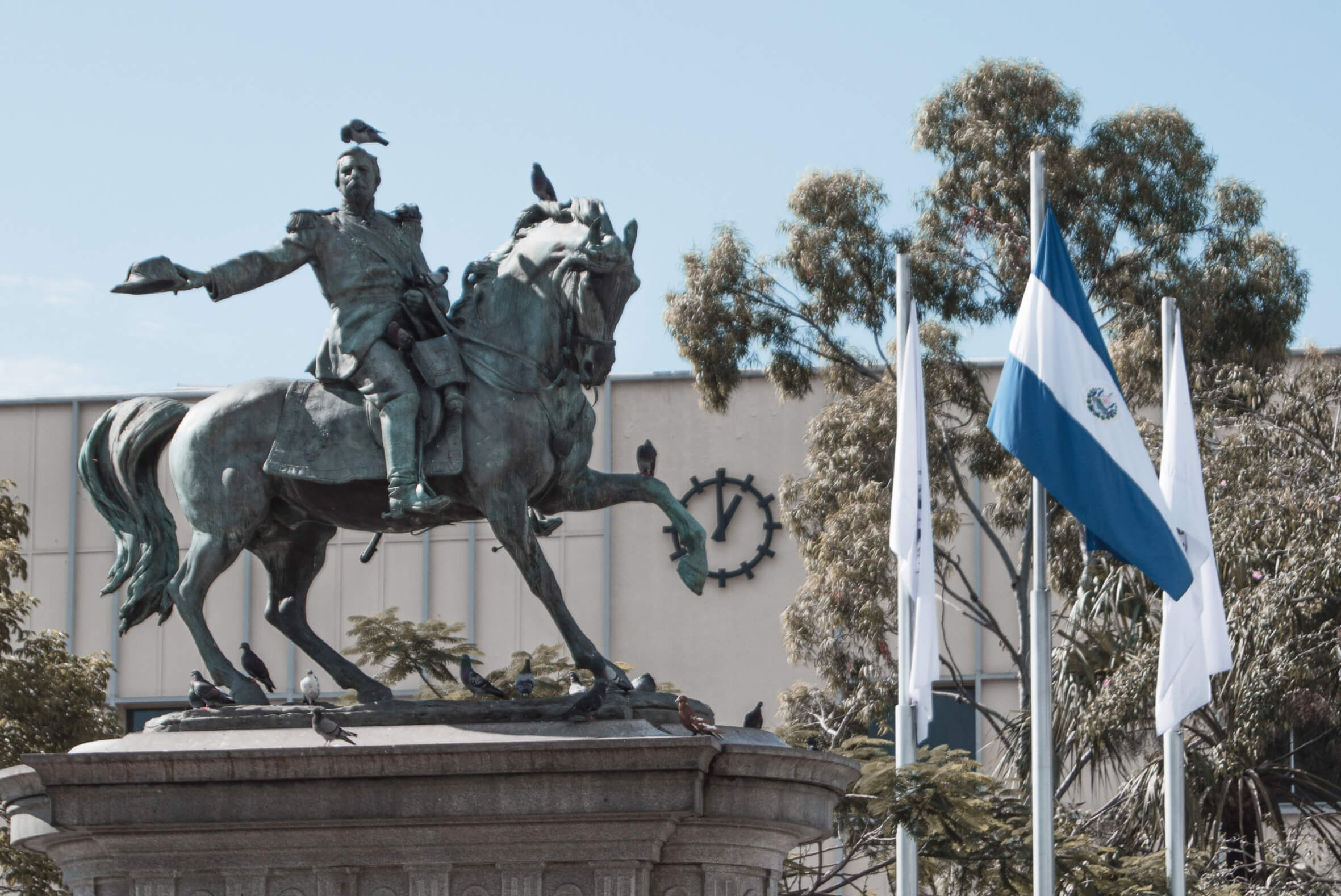
El Salvador is the first country in the world to recognize Bitcoin as an official currency.
Sources and further reading:
- NPR: El Salvador Just Became The First Country To Accept Bitcoin As Legal
- nber: El Salvador's Experiment with Bitcoin as Legal Tender
- PWC: El Salvador's law: a meaningful test for Bitcoin
- Rootstock: Bitcoin as Legal Tender: Lessons Learned So Far From El Salvador
- Frost: Cryptocurrencies and Central Bank Digital Currencies as Legal Tender: Implications for an Increasingly Digitalized Global
This article constitutes neither investment advice nor a solicitation to buy or sell crypto-assets or other financial instruments or to enter into any other financial transactions. The primary purpose of this article is to provide general information. No representations or warranties, express or implied, are made regarding the fairness, accuracy, completeness, or correctness of this article or the opinions contained therein. Therefore, it is not advisable to rely on the fairness, accuracy, completeness, or correctness of this article or the opinions contained therein. Some statements in this article may contain forward-looking expectations based on our current assessments and assumptions. These statements are subject to uncertainties and may cause actual results, performance, or events to differ from the statements made in this article.
Cryptonow and all persons advising or representing it cannot be held liable in any way for this article. It is important to note that investments in crypto-assets carry both risks and opportunities.